
Three-part series with tech ideas to help care or keep track of older adults
Part 3
In previous parts of this series, we discussed and showed examples to help with those who wander and keeping track of adults with cognitive concerns who are still driving.
In this part of the series, we discuss other products that can be helpful to track individuals who have memory problems and a history of losing their belongings.

One such product introduced in recent years has been Tile (thetileapp.com). These thin, light, (0.3 ounces), half-dollar sized tags can be attached to a variety of items such as purses, keys etc. These tiny Bluetooth trackers will help you locate the personal item by using a cell phone to track its last known location on a map. If you are in the vicinity, you can make the Tile device ring even if it is attached to another cell phone which is dead or on silent. And Tile has come up with other types of devices (one the size of a credit card for a wallet; smaller items designed for electronic devices) to add flexibility and options. So the next time your family member calls you in a panic because they cannot find their keys or some other important item, you can assist them in tracking it down with your newfound technology.
Another similar device is the Cube, available at Amazon.com. It doesn’t appear to be quite as sophisticated as Tile, but is not bad for the price.
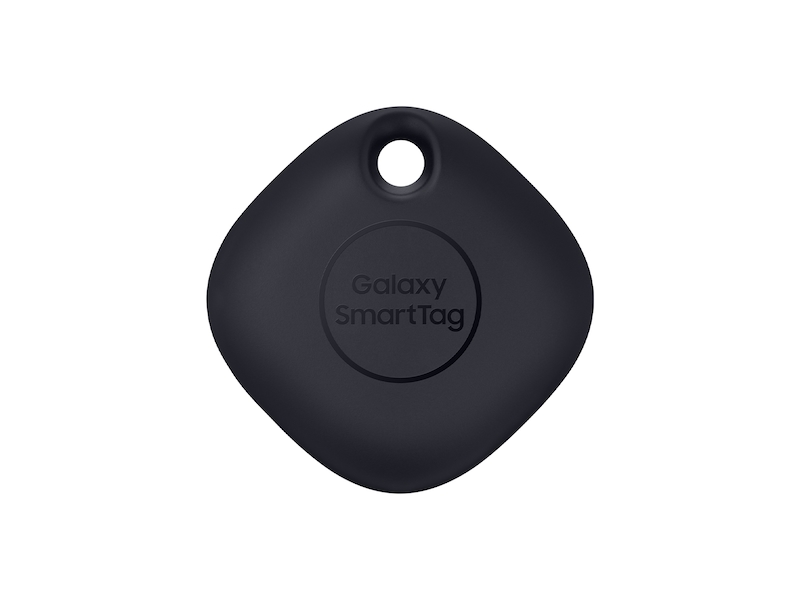
And many other companies have similar devices. Apple AirTags, Samsung Galaxy SmartTag, etc. Shop around and see what works for your needs, costs, etc.
Speaking of Amazon, there are numerous other tracking devices that have both pluses and minuses. Please read all of the product details before you purchase. Remember they all tend to accentuate the positives. Make sure you read what they are unable to do.
All the products we have mentioned in this series range in price from $15-$200. And some may require monthly plans or Internet connection. The set-ups tend to be pretty simple, but be sure to read through all steps and even research if devices and plans allow other users access.

There are also cameras that are available to monitor the inside of someone’s home. One of the most popular is Nestcam (nest.com) which allows you to watch various areas of your home, depending on how many monitors you have, from your cell phone. You can interact with your family member over the system. For example, you can tell them it’s time for them to take their meds and watch them do it, if you set it up correctly.
Nestcam is not the only option. Other companies like Ring, Wyze, and others that may be the right fit for you and your loved ones. They also range in price with different options available or as add-ons. Research what works best for your situation.
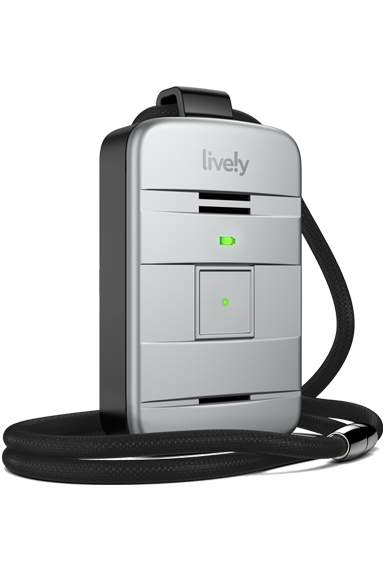
Probably the best item on the market for monitoring an older person is Lively (lively.com). It comes with a stylish wristwatch that sends messages about your family member’s activity. There is a life alert button. It also helps with monitoring their medication. No Internet connection is required like some of the products listed here. It is simple to set up. A monthly plan is required.
Just buying the product and using it is not the most important part of the process. If you are going to track a family member, please explain the process to them thoroughly, so that they can understand that it is for their benefit and not a way to demean them. Even though high-tech products can be time as well as life-saving, they are no substitute for a trusting personal relationship with your family member.

Read more from “Elder Interventions: A Guide To Caring For The Elderly With Behavior And Emotional Problems” by purchasing the book here: www.amazon.com/Elder-Interventions-Emotional-Behavioral-Problems/dp/1420882120
Or here: www.authorhouse.com/en/bookstore/bookdetails/253071-elder-interventions
Tracking Series:

Tracking Older Adults
In this part of the series, we focus on those who are still able to drive, but may may have signs that cause family members to want to keep an extra eye on them.
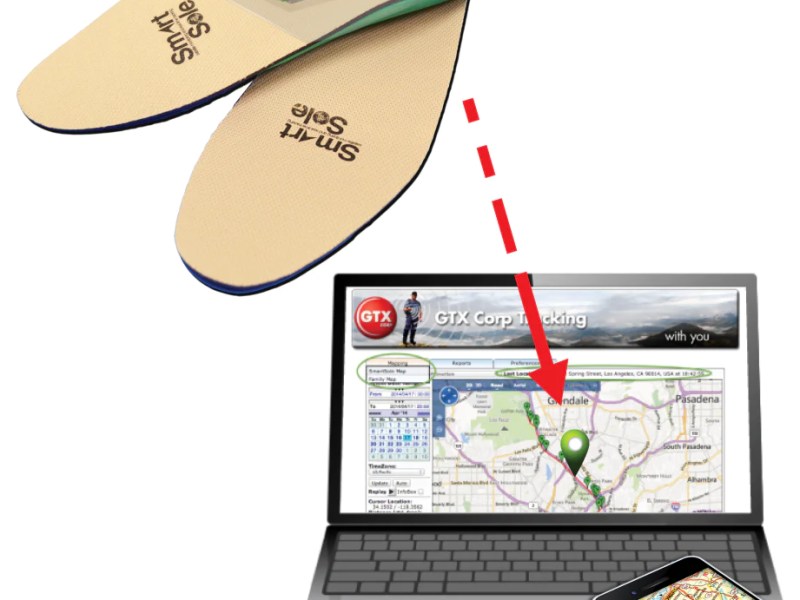
Technology for Wanderers
This article will describe a number of technological advances that assist caregivers in providing the help our loved ones need when we cannot be around them all of the time.
Other Blog Posts:

Dementia: Destroying the Aging Myth
Forget about their age for a moment. If younger persons had the same symptoms of dementia, we would use all of our resources to find the cause and fix it. Let us give our elders that same opportunity.

Dementia: Human Costs of Misdiagnosis
Currently, 1.6 million people reside in nursing homes and almost one million in assisted living facilities. The annual average costs of nursing home and assisted living beds are about $70,000 and $24,000 per year respectively.

Dementia: The Deadly Myth of Aging
The diagnosis of dementia is essentially a chronic death sentence. Our society sees this disorder as the beginning of the end for all older folks. However, dementia is significantly over-diagnosed.

Keeping your brain healthy
Healthy lifestyles will keep our brains active and energetic.

Top 10 – How to stay young!
Here are ten ways older adults and those getting older can try and remain young. These are easy ideas anyone can try.
 Elder Help Online