Three-part series with tech ideas to help care or keep track of older adults
Part 2
In the first part of this series, we talked about certain GPS-type devices that help keep track of individuals who may wander.
In this part of the series, we focus on those who are still able to drive, but may may have signs that cause family members to want to keep an extra eye on them.
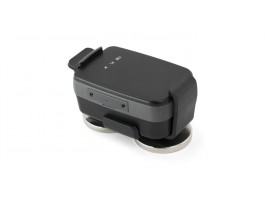
If you’re concerned that your family member is suffering from mild cognitive disorders and is still allowed to drive, you can keep track of their vehicle by going to electroflip.com and order one of their trackers (one seen on the right) that can be attached to the vehicle. You can then track the vehicle’s movements from your smartphone. It can also notify you in case of a motor vehicle collision. Finally, it can alert you if the vehicle is exceeding a certain speed just in case you’re worried that your mother may be that “Little Old Lady from Pasadena.”
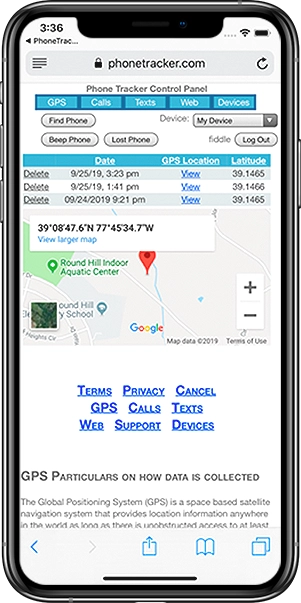
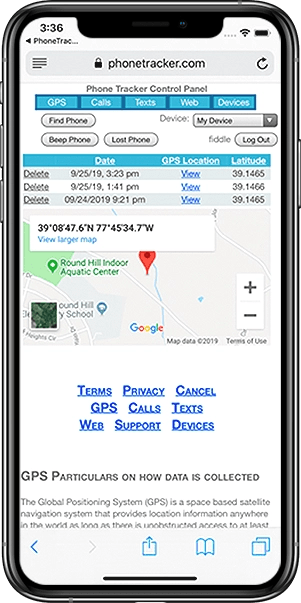
There are a number of apps for iPhone and Android phones, such as Phone Tracker app (left), that allow you to track an elderly compromised person as long as they are carrying a compatible phone and allow you to track them. Because of the competition in the cell phone industry there are numerous smart phones that are available at rather inexpensive prices. So, if your loved one loses the phone, it is not necessarily expensive to replace. I would suggest that you check out various carriers, Verizon, AT&T, T-Mobile etc. to find him the best deal and let them know that there is a possibility that the phone could easily be lost. These companies have insurance policies for replacement, but they can be quite expensive. Read the policies thoroughly for you sign up.
Of course iPhones and Android devices also have the ability to share one’s location with others. You can turn on that feature on your loved one’s device and share it with your device. The one risk with that option is the sharing option could be accidentally turned off.
Tracking devices not only monitor a person’s position, but some products can also be helpful to that person who may be having memory problems and has a history of losing their belongings. We share a few ideas that can help with those challenges in part three of the series.
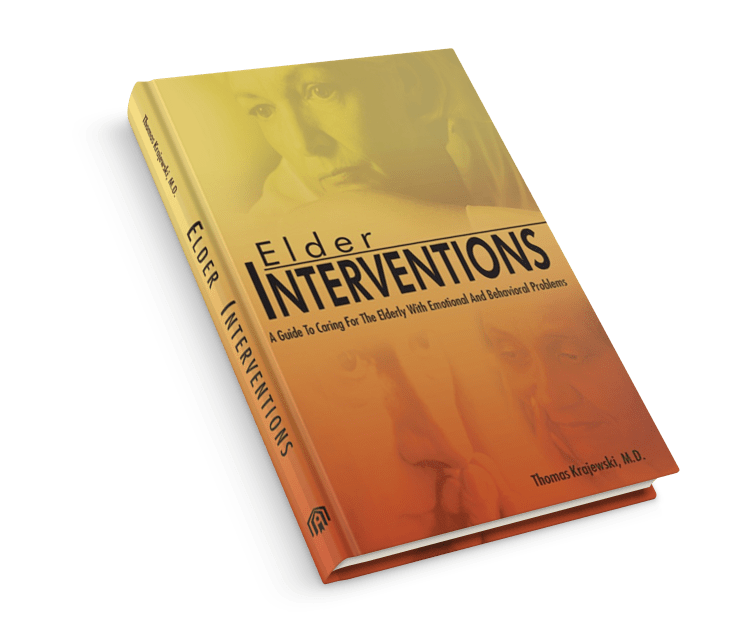
Read more from “Elder Interventions: A Guide To Caring For The Elderly With Behavior And Emotional Problems” by purchasing the book here: www.amazon.com/Elder-Interventions-Emotional-Behavioral-Problems/dp/1420882120
Or here: www.authorhouse.com/en/bookstore/bookdetails/253071-elder-interventions
Tracking Series:
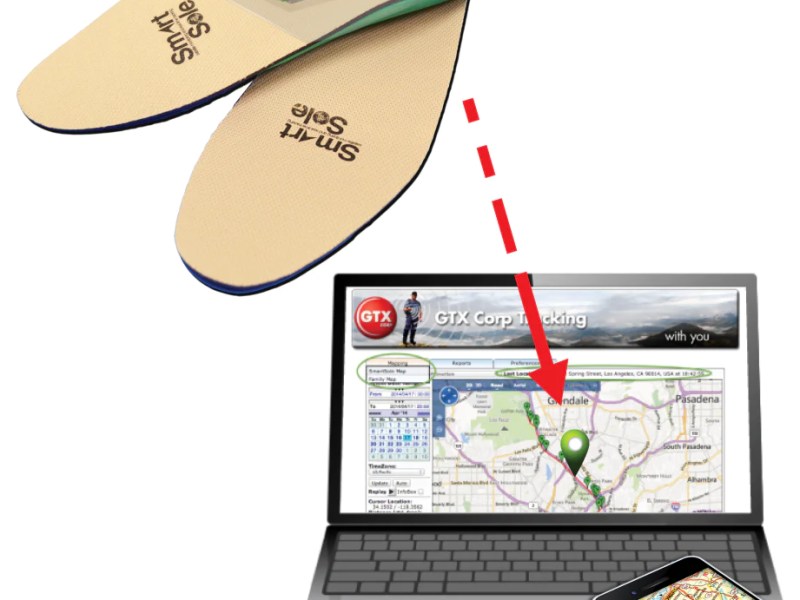
Technology for Wanderers
This article will describe a number of technological advances that assist caregivers in providing the help our loved ones need when we cannot be around them all of the time.

Helping Those with Memory Problems
In this part of the series, we discuss other products that can be helpful to track individuals who have memory problems and a history of losing their belongings.
Other Blog Posts:

Dementia: Destroying the Aging Myth
Forget about their age for a moment. If younger persons had the same symptoms of dementia, we would use all of our resources to find the cause and fix it. Let us give our elders that same opportunity.

Dementia: Human Costs of Misdiagnosis
Currently, 1.6 million people reside in nursing homes and almost one million in assisted living facilities. The annual average costs of nursing home and assisted living beds are about $70,000 and $24,000 per year respectively.

Dementia: The Deadly Myth of Aging
The diagnosis of dementia is essentially a chronic death sentence. Our society sees this disorder as the beginning of the end for all older folks. However, dementia is significantly over-diagnosed.

Keeping your brain healthy
Healthy lifestyles will keep our brains active and energetic.

Top 10 – How to stay young!
Here are ten ways older adults and those getting older can try and remain young. These are easy ideas anyone can try.
Something went wrong. Please refresh the page and/or try again.
 Elder Help Online