Three-part series with tech ideas to help care or keep track of older adults
Part 1
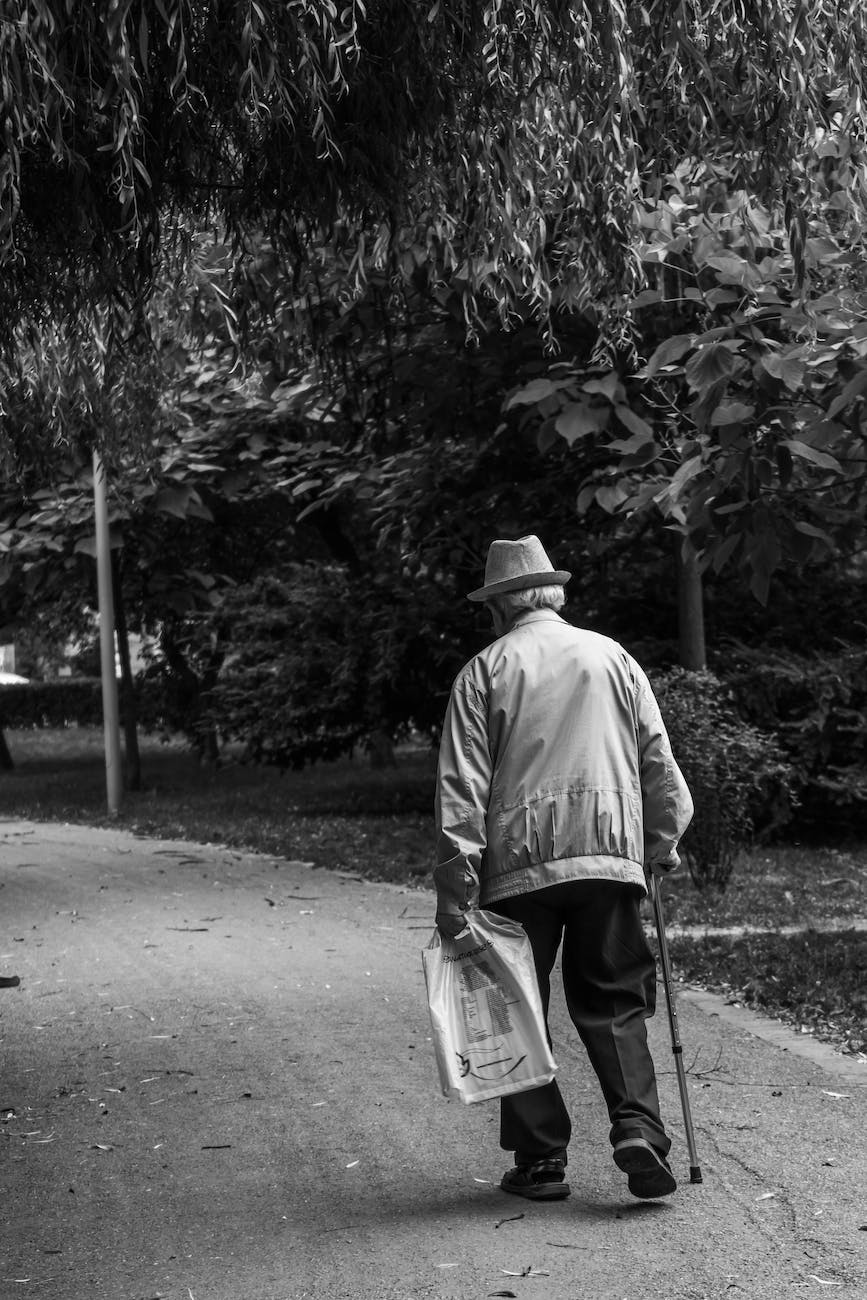
As caregivers we share numerous concerns regarding our love ones who need our attention and assistance. From worrying whether they are taking their medications correctly or wandering from their homes, we want to make sure that we are doing everything that we can to help them live the fullest life possible in spite of their disabilities. Some of us feel the need to be around these family members 24 hours per day 7 days per week in order to ensure their safety. No matter how hard we try, we are human and susceptible to burnout. Fortunately, over the last several years, technology has made our job a little less burdensome. This article will describe a number of technological advances that assist caregivers in providing the help our loved ones need when we cannot be around them all of the time. Where possible, I will try to provide links to the products, although as technology develops, some products are introduced to the market while other products are rebranded will or made obsolete by newer technology. Therefore, the links may not always be entirely accurate as technology is developing at a rapid speed.
GPS devices are available that can let us know the exact location of a certain person. If wandering is a concern, this is an absolute necessary device to check in on our family member.
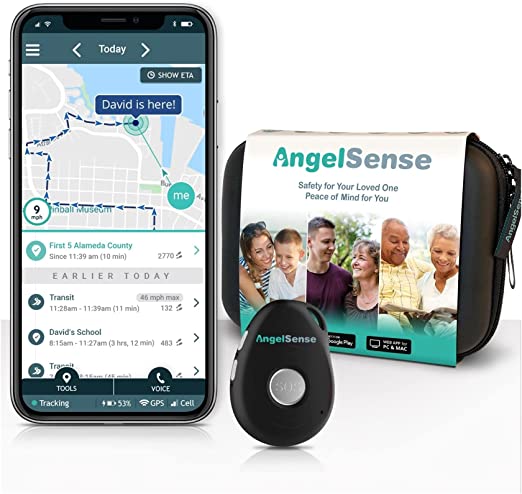
Angel Sense (angelsense.com) is one such product. Originally designed for children, Angel Sense (left) now has products designed for the elderly and those with dementia and Alzheimer’s – especially those who have the potential to wander away from home. Not only can the systems monitor a person’s movements, but they can also send an alert if a family member wanders into an unexpected location. There are also add-ons that allow you to listen into the environment that the person is in, along with missing persons alert. This product, as well as many others, may require a monthly service plan, but in the long run, may be very cost effective.
Brickhouse Security (brickhousesecurity.com) is another personal tracking system that does not require a monthly fee.

When a loved one wanders off, family members may scramble to put together a search party. One of the cheapest and easiest solutions is the GPS SmartSole (right). This shoe insert can both track a patient’s location and send out intermittent alerts. The one drawback is that it requires people to actually put on their shoes. Luckily, there are lots of other devices that pinpoint locations, such as special wristwatches and bracelets.
For more tracking options, check out our second part of the series which includes ideas on how to help keep track of older drivers.
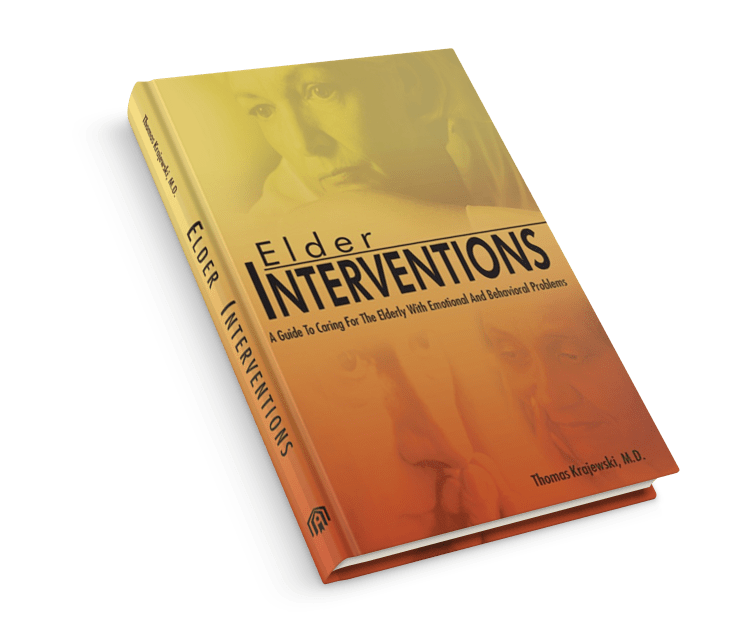
Read more from “Elder Interventions: A Guide To Caring For The Elderly With Behavior And Emotional Problems” by purchasing the book here: www.amazon.com/Elder-Interventions-Emotional-Behavioral-Problems/dp/1420882120
Or here: www.authorhouse.com/en/bookstore/bookdetails/253071-elder-interventions
Tracking Series:

Tracking Older Adults
In this part of the series, we focus on those who are still able to drive, but may may have signs that cause family members to want to keep an extra eye on them.

Helping Those with Memory Problems
In this part of the series, we discuss other products that can be helpful to track individuals who have memory problems and a history of losing their belongings.
Other blog posts:

Dementia: Destroying the Aging Myth
Forget about their age for a moment. If younger persons had the same symptoms of dementia, we would use all of our resources to find the cause and fix it. Let us give our elders that same opportunity.

Dementia: Human Costs of Misdiagnosis
Currently, 1.6 million people reside in nursing homes and almost one million in assisted living facilities. The annual average costs of nursing home and assisted living beds are about $70,000 and $24,000 per year respectively.

Dementia: The Deadly Myth of Aging
The diagnosis of dementia is essentially a chronic death sentence. Our society sees this disorder as the beginning of the end for all older folks. However, dementia is significantly over-diagnosed.

Keeping your brain healthy
Healthy lifestyles will keep our brains active and energetic.

Top 10 – How to stay young!
Here are ten ways older adults and those getting older can try and remain young. These are easy ideas anyone can try.
Something went wrong. Please refresh the page and/or try again.
 Elder Help Online