
Three-part series to better understand antidepressant medications
Part 3
Antidepressants, like all medications, can have side effects which can be especially troubling for elder individuals. In part two we talked about the various categories of antidepressants. Part three will discuss the common side effects of these antidepressants so that you can be aware of them if you are taking these medications. If you believe that you are having a side effect due to your medication, please consult your physician.

Side effects can be managed in several ways. Your doctor may decrease the dose of the antidepressant so that the side effects are eliminated but you still receive the positive effect from the medication. Another option would be to choose another category of antidepressants which will, hopefully, produce less side effects. Even another option would be to eliminate the medication altogether and try a non-medication intervention such as some type of talk therapy. There are also instances in which other medications can cause the same side effects as the antidepressant and they could be eliminated in consultation with a physician leaving you with minimal side effects due to the antidepressant alone.

We’ve previously talked about tricyclic antidepressants and the fact that some psychiatrists feel that they are more effective in the elderly. However, they cause several side effects that in the elderly could be, not only problematic, but life-threatening. For example, there are a few cardiovascular side effects due to this category of medication. You can see increases in heart rate, hypertension or, at other times, decreased blood pressure. These medications can also cause changes on the EKG which may predispose to cardiac arrhythmias. Venlafaxine or Effexor which has similar properties along with the SNRI’s can have similar cardiovascular side effects. These medications typically are not the first drug of choice for people who already have some type of heart disease. Your physician should also be monitoring your blood pressure periodically if you are on these medications.
Tricyclic antidepressants also cause anti-cholinergic effects. These effects are seen as symptoms of dry mouth, constipation, urinary retention and blurred vision. As an aside, nortriptyline is the least anti-cholinergic of the tricyclic group and, therefore, cause the least amount of these side effects. People who are also taking other medications with anti-cholinergic properties will tend to have even worse symptoms. If you are having some of the symptoms mentioned in this paragraph, please consult your physician. There are ways around some of these minor symptoms such as chewing gum for a dry mouth or fiber supplements for constipation. The bottom line is that you should talk to your doctor, if you have these problems.

Tricyclic antidepressants can also cause anxiety, agitation, confusion, memory loss, drowsiness, sedation and, especially in the elderly, Falls. Let your doctor know promptly if you are suffering any of these symptoms. Trazodone can also cause similar symptoms listed in this paragraph.
SSRIs can also cause anxiety or agitation but rarely cause confusion. The most common side effect in this group is nausea and diarrhea. Some physicians believe that taking the medication on an empty stomach is more likely to cause these albums. The worst-case scenario is that these medications may cause gastrointestinal bleeding. People who are taking anticoagulants, aspirin or NSAIDs are at particular risk for this problem. You can sometimes have drowsiness or sedation with this category of medications; but this tends to be in the minority of individuals. Sometimes symptoms caused by the SSRIs such as confusion, agitation and increased temperature can lead to a serious and potentially life-threatening condition called serotonin syndrome. So, if you begin to have any of these symptoms consult your physician immediately., Osteoporosis, is an uncommon yet serious side effect of this category of medications. False may also occur when taking these medications.
All the antidepressants may cause a withdrawal syndrome if they are stopped abruptly. So please consult your physician if you want to stop these medications.
People who have a history of seizures should discuss this with their physician, if their doctor is considering the use of tricyclics, bupropion or Venlafaxine.
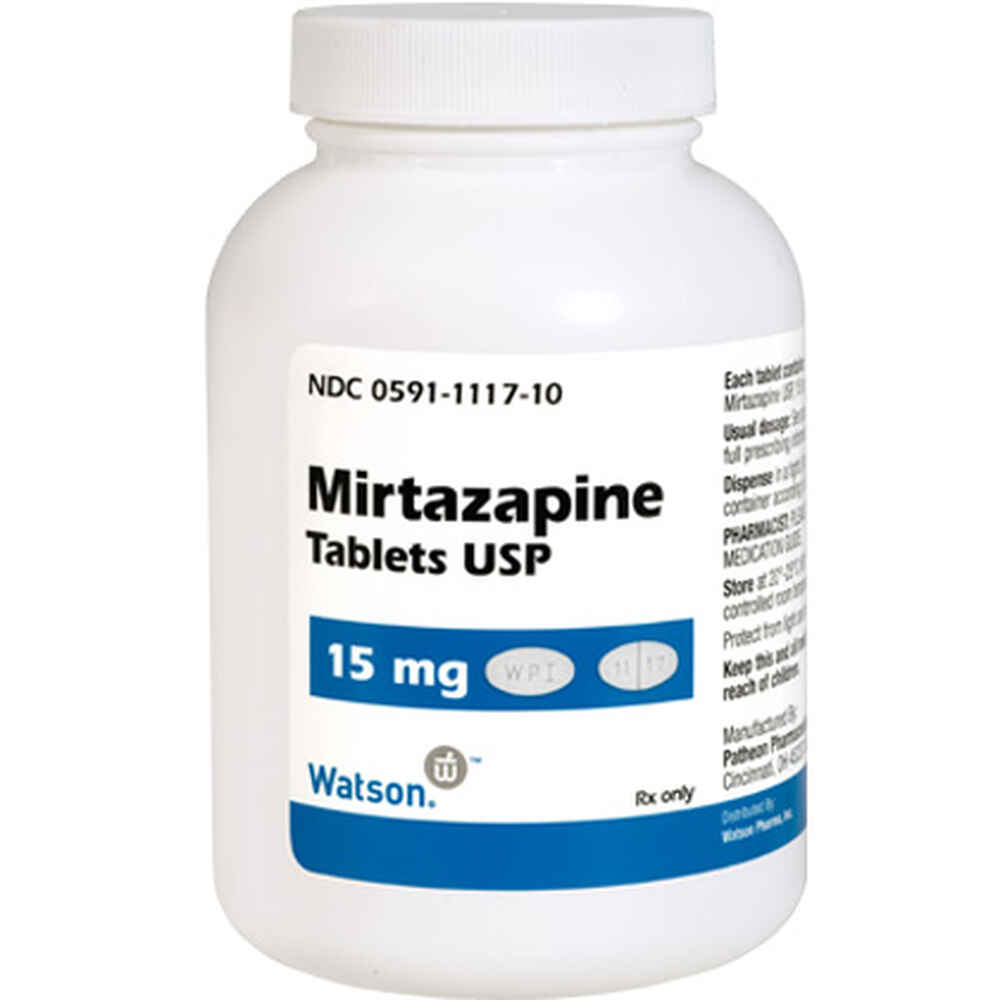
Finally, believe it or not, some side effects can be helpful. Elderly people who are losing weight may be prescribed tricyclics or mirtazapine to help them gain weight while at the same time treating their depression. Individuals with excessive weight may be prescribed bupropion which may help with weight loss while combating the depression.
This last part of the antidepressant discussion has offered a substantial amount of information for thought, if you are on an antidepressant or considering a trial of these medications. The take away message here is to consult your physician when taking this category of medications or, for that matter, any medication, including over the counter drugs.
Antidepressants series:

Antidepressants – Medication Overview
Depression can be treated with a variety of interventions ranging from psychotherapy to medications. However, any medication in the elderly must be taken with caution. Antidepressants are no exception.


Antidepressants – Choosing the right medication
No antidepressant can work under 100 percent of the time. Studies show that antidepressants produce successful outcomes in roughly 80% of the individuals who take them. More importantly, an antidepressant needs to be selected specifically based on the individual’s potential for complications.
Read more from “Elder Interventions: A Guide To Caring For The Elderly With Behavior And Emotional Problems” by purchasing the book here: www.amazon.com/Elder-Interventions-Emotional-Behavioral-Problems/dp/1420882120
Or here: www.authorhouse.com/en/bookstore/bookdetails/253071-elder-interventions
 Elder Help Online