
Three-part series to better understand antidepressant medications
Part 2
No antidepressant can work under 100 percent of the time. Studies show that antidepressants produce successful outcomes in roughly 80% of the individuals who take them. More importantly, an antidepressant needs to be selected specifically based on the individual’s potential for complications. For example, a person who has a difficult time falling asleep when they are depressed is usually given an antidepressant with some sedating qualities. You would not give that same antidepressant to somebody who was depressed and stays in bed all day long. Conversely, an individual with little to no energy and sleeps excessively would likely be given antidepressant which would increase their energy and production.

Antidepressants also have to be individually prescribed in order to minimize the effects of any potential side effects. For example, a depressed individual who has fallen several times the last few months would be given antidepressant that would not make them dizzy or sedated. This would increase the risk of falling. The physician also has to consider the medications the patient is taking. As an aside, many medications in the elderly can cause depression and, if they can be safely eliminated, the depression resolves.
A physician needs to take a thorough history so that they can choose an antidepressant that would combat the specific symptoms of depression of that individual. They would also need to balance the patient’s medical condition and the potential side effects of the antidepressant.
There are five general categories of antidepressants. The oldest ones are called tricyclic antidepressants. They may cause a number of complications as we will discuss in part three; but there have been psychiatrists who believe that they tend to be more effective in the elderly than the newer medications. However, the elderly tend to get more side effects than the younger population. So they require a particularly tricky balancing act and careful monitoring.
There are five general categories of antidepressants. The oldest ones are called tricyclic antidepressants. They may cause a number of complications as we will discuss in part three; but there have been psychiatrists who believe that they tend to be more effective in the elderly than the newer medications. However, the elderly tend to get more side effects than the younger population. So they require a particularly tricky balancing act and careful monitoring.
The second category are the serotonin reuptake inhibitors, or as you might see them referred to as SSRIs. They tend to be safer than some of the other categories of antidepressants particularly in the elderly. They are particularly good medications to give with elderly individuals with cardiovascular complications. We will discuss more about their side effects in part three.
The third category are the serotonin/norepinephrine reuptake inhibitors, SNRIs. Some psychiatrists believe that they tend to help with depressed individuals who lack energy. Bupropion is sometimes listed in this category but it has chemical properties that makes it somewhat different. We will talk about this when we discuss its side effects in the elderly.
The fourth category are the monoamine oxidase inhibitors, MAOIs. They are typically used in younger populations as they cause low blood pressure in the elderly which leads to a risk of falls and other medical complications. They are not widely used to treat geriatric depression.
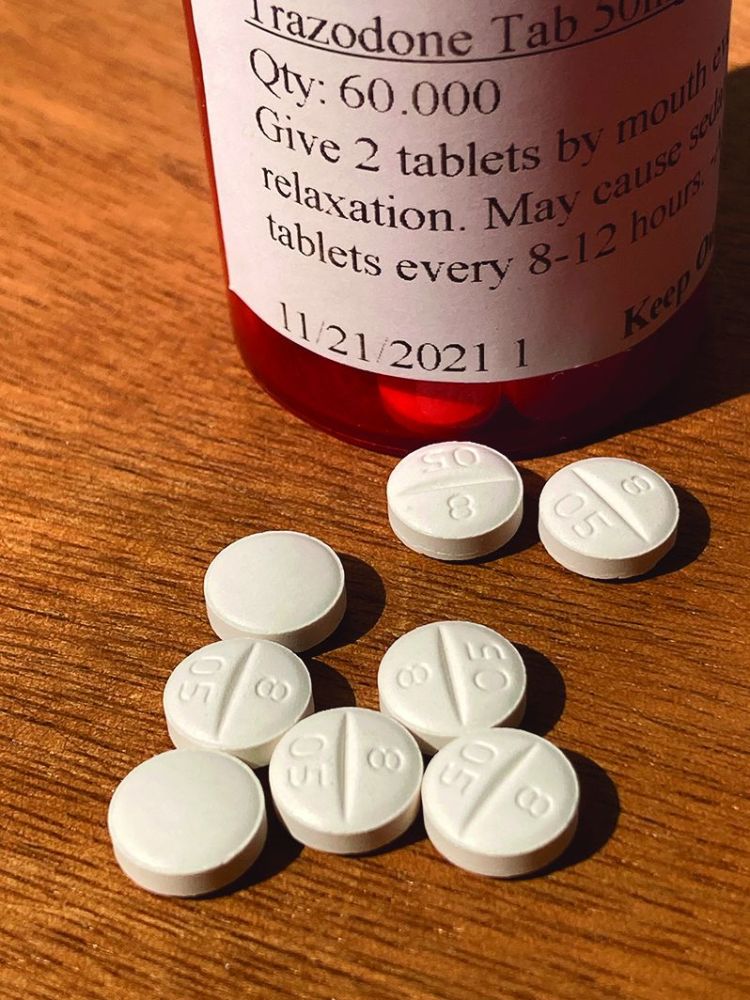
Mirtazapine and trazodone are two sedating antidepressants that are used in the elderly who have sleep difficulties. There are some general practitioners that use these medications as nonaddictive sleep agents.
Traditionally psychiatrists will choose antidepressants in the SSRI or SNRIs families first. If these fail then depending on the outcome and side effects, the other categories of antidepressants are considered.
In the final part we will cover the potential complications of antidepressant use and the three special rules a physician must follow in the treatment of the elderly individual.
Antidepressants series:

Antidepressants – Medication Overview
Depression can be treated with a variety of interventions ranging from psychotherapy to medications. However, any medication in the elderly must be taken with caution. Antidepressants are no exception.
Keep reading

Antidepressants – Common side effects
Antidepressants, like all medications, can have side effects which can be especially troubling for elder individuals.
Keep reading
Read more from “Elder Interventions: A Guide To Caring For The Elderly With Behavior And Emotional Problems” by purchasing the book here: www.amazon.com/Elder-Interventions-Emotional-Behavioral-Problems/dp/1420882120
Or here: www.authorhouse.com/en/bookstore/bookdetails/253071-elder-interventions
 Elder Help Online